Can You Put a Natural Gas Pool Heater Inside a Closed Wooden Shed?
Deciding whether you can put a natural gas pool heater inside a closed wooden shed is a critical safety assessment for any pool owner. Many people want to protect their equipment from the elements, but natural gas heaters require specific environmental conditions to function safely and efficiently. Failing to account for proper air intake and exhaust can lead to dangerous carbon monoxide buildup or fire hazards.
This article provides the technical requirements and safety standards necessary to understand why placing a gas-fired appliance in an enclosed structure is generally prohibited. You will learn the exact ventilation standards required to operate these systems safely and protect your property from potential damage.
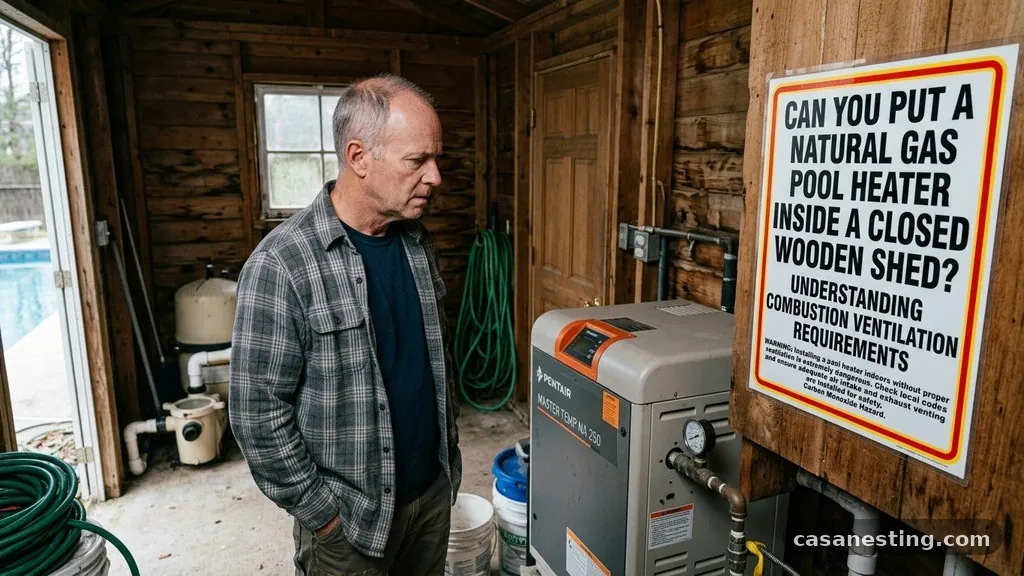
The short answer is no, you cannot safely place a natural gas pool heater inside a closed wooden shed. These appliances are engineered specifically for outdoor installation, requiring an unobstructed flow of fresh air for combustion and the immediate venting of flue gases. Placing a gas heater in an enclosed space creates an immediate risk of carbon monoxide accumulation, which is odorless, colorless, and potentially fatal.
Furthermore, the heat generated by the unit can easily ignite surrounding wooden structures or stored materials, creating a severe fire hazard. Manufacturers explicitly design these heaters to operate in open-air environments to prevent these life-threatening risks.
Understanding Combustion and Ventilation Requirements
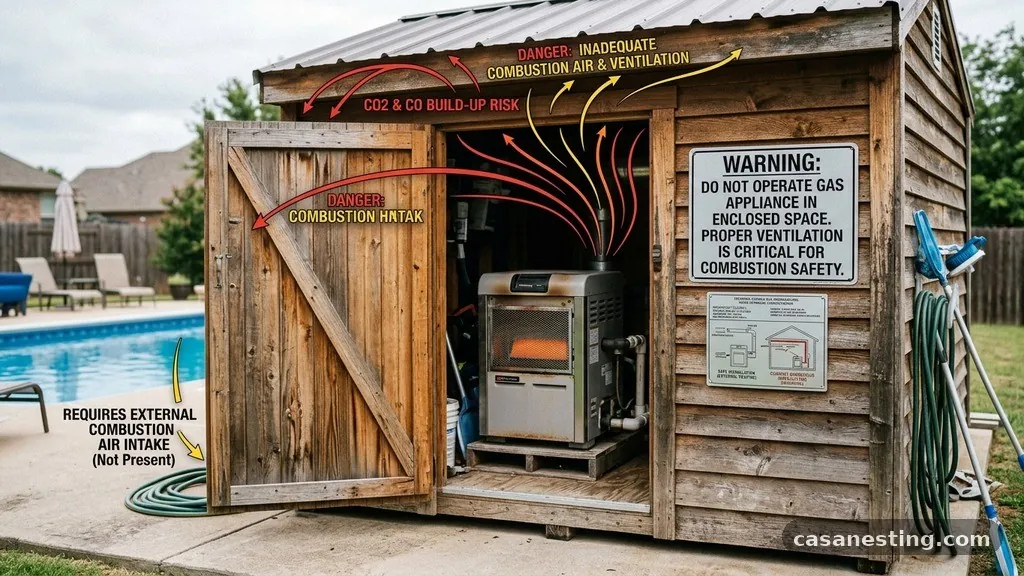
Natural gas pool heaters function through a process of controlled combustion, which consumes significant amounts of oxygen. A heater typically pulls in ambient air, mixes it with fuel, and ignites the mixture to generate heat.
If this process occurs inside a closed wooden shed, the heater will quickly deplete the available oxygen in the room. This leads to incomplete combustion, which produces high concentrations of carbon monoxide instead of carbon dioxide.
Proper ventilation is not just a suggestion; it is a mandatory safety requirement found in every manufacturer’s installation manual. The combustion process requires a constant, unrestricted supply of fresh air from the outside to replace the air being consumed.
If the shed is closed, the appliance will eventually suffocate, causing it to shut down or, worse, vent toxic fumes into the structure. Even if you install a vent, it is rarely sufficient to handle the total volume of air required for a high-BTU pool heater.
Most residential gas pool heaters are rated between 125,000 and 400,000 BTUs. These high-output units demand a massive air exchange rate that residential-style shed ventilation simply cannot accommodate.
Relying on passive vents or small louvers is dangerous because they cannot guarantee the consistent flow rate required during the entire heating cycle. Without this flow, the heater’s internal sensors may fail, or the unit could overheat due to stagnant air trapped within the enclosure.
The Fire Hazards of Enclosed Gas Appliances
Wooden sheds are inherently combustible, making them poor candidates for housing heat-producing industrial equipment. A natural gas pool heater generates significant exterior surface temperatures during operation.
Even with internal insulation, the heat radiation can raise the ambient temperature of a confined wooden space to dangerous levels. If the heater experiences a malfunction or a backfire, the proximity to wooden walls increases the risk of ignition.
Clearance requirements are strictly regulated by safety codes to prevent heat transfer to nearby surfaces. Manufacturers specify a minimum distance from combustible walls, which is often several feet on all sides.
A standard wooden shed rarely provides enough square footage to meet these clearance requirements while still allowing for maintenance access. If you place the heater too close to the wall, you are creating a recipe for a structural fire.
In addition to the heat, gas leaks represent a hidden danger in confined spaces. A small, undetected leak in the gas line or internal fittings can cause gas to accumulate in the shed.
Since natural gas is lighter than air, it can pool near the ceiling or in corners if the ventilation is poor. Once the concentration reaches a certain level, a single spark from the heater’s ignition system can cause an explosion.
Carbon Monoxide Risks and Detection
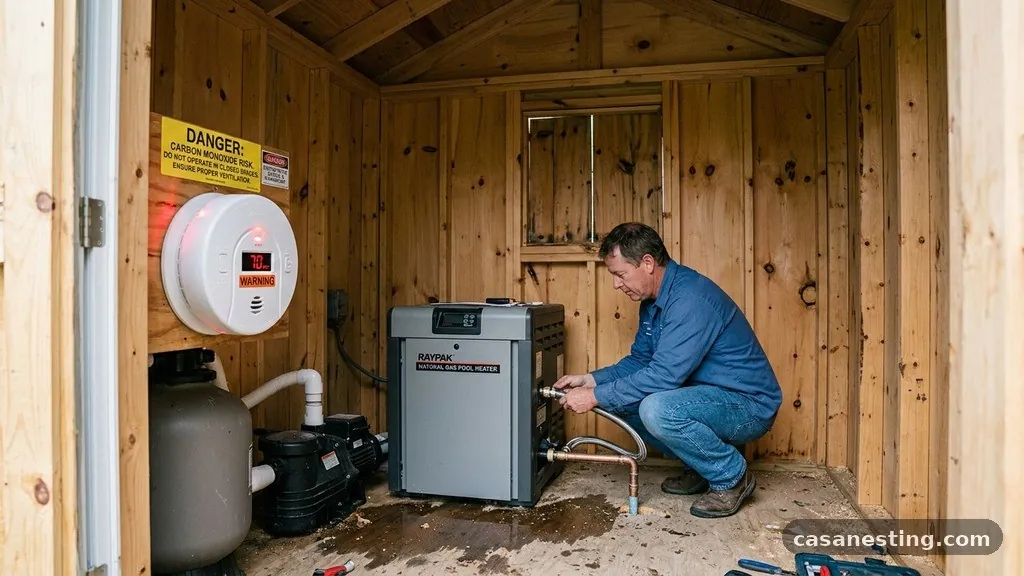
The most insidious danger of operating a gas heater in an enclosed shed is carbon monoxide poisoning. Because the shed is a closed environment, the toxic byproduct of combustion cannot escape.
This gas will seep into the surrounding area, potentially entering your home if the shed is attached or located near windows. Even if the shed is detached, it poses a risk to anyone who enters the building to check on the equipment.
Carbon monoxide is often called the “silent killer” because it provides no sensory warning to humans. You cannot smell, see, or taste it, but it interferes with your body’s ability to transport oxygen.
Exposure to high levels can lead to unconsciousness and death within minutes. By choosing to house a gas-fired heater in a closed room, you are creating a potential gas chamber that puts your entire household at risk.
You should never attempt to “modify” a shed to make it work for a heater by adding fans or exhaust ducts. While professional HVAC technicians sometimes install gas furnaces in utility rooms, those installations involve highly specific fire-rated materials and industrial-grade venting systems.
These requirements are far beyond the scope of a standard backyard wooden shed. The cost and structural complexity of converting a shed to a code-compliant mechanical room far exceed the value of the pool heater itself.
Manufacturer Warranty and Liability Implications
Every pool heater manufacturer includes a clear warning against indoor installation in their technical documentation. If you install a natural gas pool heater inside a closed wooden shed, you immediately void the manufacturer’s warranty.
Should the unit fail due to overheating or improper airflow, the company will not cover the cost of repairs or replacement. This leaves you financially responsible for the full cost of a new system.
Beyond the warranty, you face significant liability risks regarding your homeowner’s insurance. If a fire occurs and investigators find that an appliance was installed in violation of the manufacturer’s guidelines, your insurance claim could be denied.
This can lead to the total loss of the shed and any other items stored inside, without any financial recourse. Insurance companies prioritize safety codes, and bypassing these codes is a major red flag during an inspection.
Following the provided installation instructions is the only way to ensure that your equipment remains covered and your property remains protected. When you purchase a heater, you are entering into an implied agreement to follow the safety standards defined by the engineering team.
Ignoring these standards is a gamble that rarely pays off in the long run. Professional pool contractors will refuse to perform this type of installation because it violates local building codes and safety regulations.
Comparing Heating Methods for Pool Owners
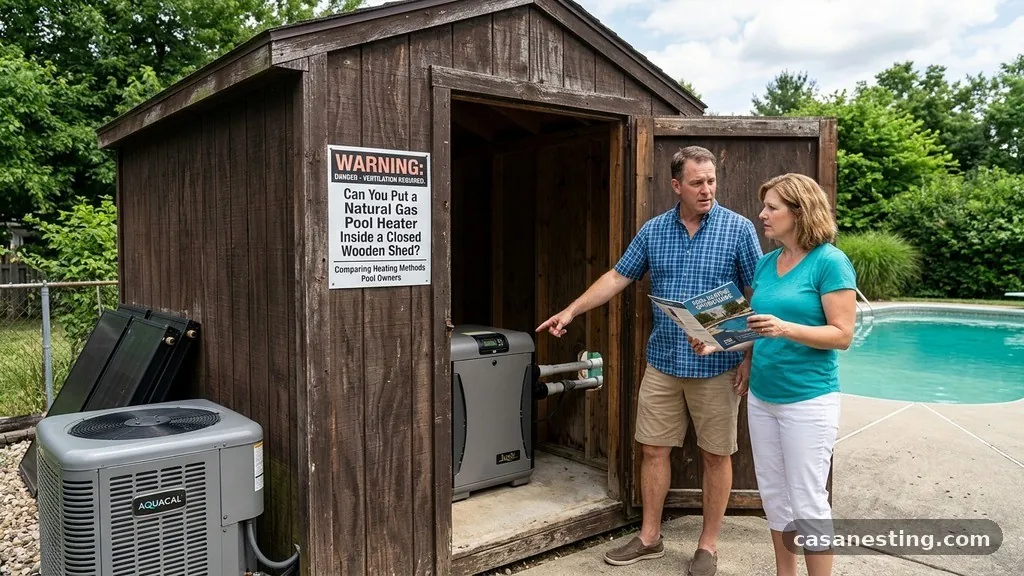
When choosing how to heat your swimming pool, it is helpful to compare the requirements of different systems. Natural gas heaters are popular for their ability to heat water quickly, but they come with the most stringent installation requirements. Electric heat pumps, on the other hand, do not use combustion and are safer to install in various locations, though they still require proper airflow.
Comparison of Pool Heating Methods
| Heater Type | Fuel Source | Installation Needs | Primary Risk |
|---|---|---|---|
| Natural Gas | Gas Line | Outdoor/Open-Air | Fire/CO Poisoning |
| Electric Heat Pump | Electricity | Outdoor/Ventilated | Electrical Failure |
| Solar Thermal | Sunlight | Roof/Rack Mount | Leaks/Freeze |
Each of these options offers different benefits depending on your climate and usage patterns. While natural gas heaters are excellent for “on-demand” heating, they demand a sacrifice in terms of installation flexibility. If you are struggling with the constraints of your current setup, it may be time to consider an alternative.
You can find detailed technical specifications for various models through the U.S. Department of Energy guidelines on pool heating efficiency.
Maintaining Proper Clearance for Equipment
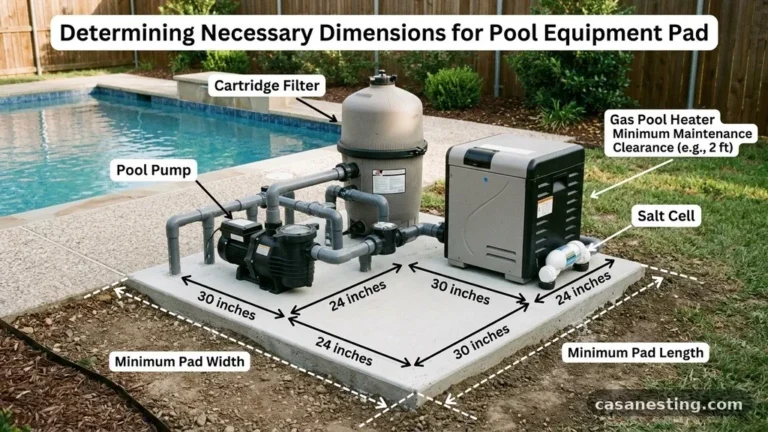
Even when installed outdoors, heaters need specific clearance to operate correctly. These requirements exist to prevent the unit from pulling in its own exhaust gases.
If a heater is placed too close to a wall, the exhaust can recirculate into the intake, leading to poor combustion. This is why most manuals specify a minimum distance of at least 18 to 24 inches from any wall, even if that wall is non-combustible.
If you are trying to hide your pool heater for aesthetic reasons, consider using landscaping elements instead of a structure. A well-placed hedge or a decorative louvered fence can screen the equipment from view without blocking the necessary airflow.
These solutions allow the heater to breathe freely while maintaining the visual appeal of your backyard. Always ensure that any screen you build is easily removable for routine maintenance and service calls.
A common mistake is building a roof over the heater to protect it from rain or snow. While a simple, open-sided cover can be acceptable if it meets height and clearance guidelines, a fully enclosed structure is strictly prohibited.
The heat must have a clear path to rise and dissipate into the atmosphere. If you trap that heat, you will significantly shorten the lifespan of the heater’s internal components, such as the circuit board and sensors.
The Role of Licensed Professionals
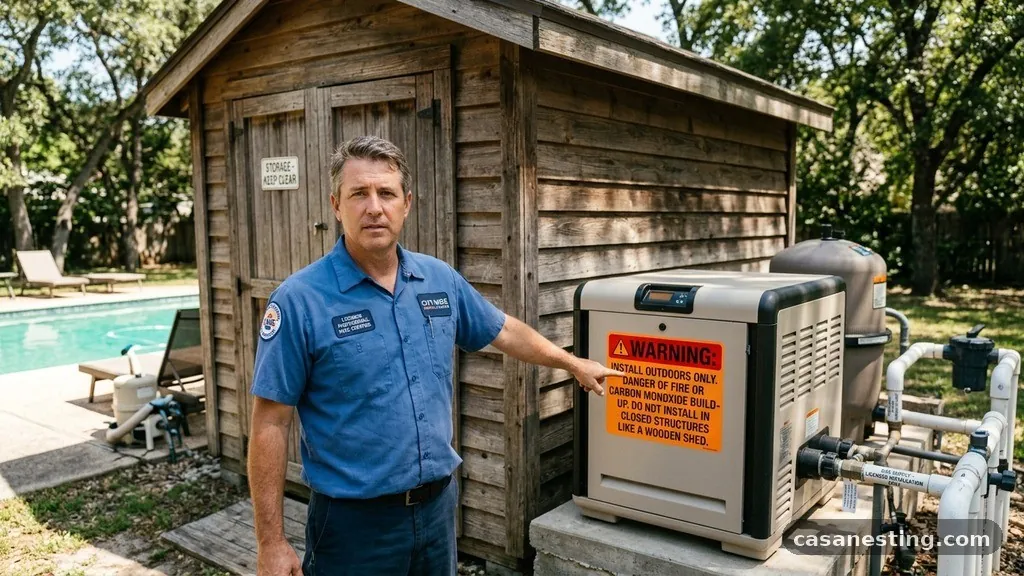
Installing a natural gas pool heater is not a typical do-it-yourself project. It involves connecting high-pressure gas lines, managing electrical wiring, and ensuring proper venting.
A licensed professional has the expertise to determine the correct sizing of the gas line and the placement of the unit to comply with local codes. They are trained to recognize the hazards of improper installation and will not compromise on safety.
If you attempt to install a heater yourself, you risk violating municipal building codes. Most cities require a permit for the installation of gas appliances, and a final inspection is usually mandatory.
An inspector will immediately flag an indoor or improperly enclosed installation and require it to be removed or relocated. This process can be costly and frustrating, especially if you have already invested in a shed or enclosure.
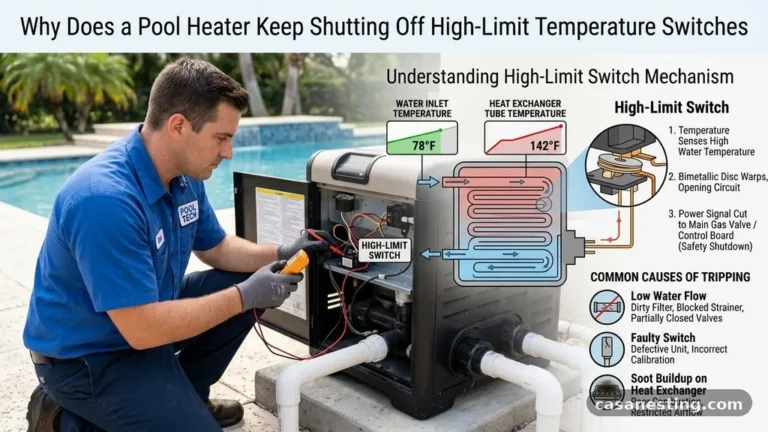
Working with a professional also ensures that the heater is calibrated for your specific altitude and gas pressure. A heater that is not properly tuned can produce excess soot, which clogs the heat exchanger and reduces efficiency.
By hiring a qualified technician, you ensure that your investment is protected and that the unit operates at peak performance for years to come. They can also provide advice on how to properly maintain the unit to prevent common issues.
Common Questions About Heater Placement
Can I use a shed if I leave the doors open while the heater runs?
While opening the doors provides temporary ventilation, it does not meet the safety code requirements for permanent, unobstructed airflow. Humans are forgetful, and if you or someone else forgets to open the doors before starting the heater, you create an immediate danger. Furthermore, wind conditions can change, potentially blowing exhaust gases back into the shed even with the doors open.
Are there any indoor-rated natural gas pool heaters?
There are some commercial-grade gas boilers designed for indoor use, but these are vastly different from standard residential pool heaters. They require specialized, fire-rated chimneys, dedicated makeup-air systems, and industrial-grade installation practices. These systems are typically found in large public pools or hotel facilities and are not practical or cost-effective for backyard swimming pools.
What happens if the heater gets wet outdoors?
Most modern pool heaters are designed to be weather-resistant and can handle rain and snow without issues. They are constructed with corrosion-resistant materials and sealed electronics to survive the elements. If you are worried about longevity, a simple, open-sided cover is usually sufficient to protect the top of the unit from debris.
How far away should my heater be from the pool?
The distance between the heater and the pool is governed by plumbing efficiency and pump pressure. Generally, you want the heater as close to the pool as the manufacturer’s clearance requirements allow to minimize heat loss through the pipes. Always check the manual for the specific distance recommendations for your model.
Can I put a propane heater in a shed?
No, propane heaters have the same combustion and safety requirements as natural gas heaters. In fact, propane is heavier than air, meaning it will settle at the floor level if there is a leak, creating an even greater explosion risk than natural gas. Never store or operate any gas-fired appliance in an enclosed shed.
Planning Your Pool Equipment Layout
When you are designing your backyard, consider the placement of your pool equipment as part of the initial phase. A well-planned equipment pad keeps the heater, pump, and filter organized and accessible.
It is better to have a dedicated, open-air pad that is slightly tucked away than to try to force equipment into a structure that isn’t designed for it. You should also ensure that the pad is level and has proper drainage to prevent water from pooling around the base of the units.
Think about the path of the plumbing lines. Shorter runs are always better because they reduce the workload on your pool pump and minimize heat loss.
If you find that your equipment pad is too far from the pool, you might need to upgrade your plumbing diameter or use better insulation. These are the kinds of details that a pool design professional will manage to ensure efficiency and safety.
Remember that accessibility is key for long-term maintenance. You or a technician will need to access the heater’s control panel, the filter’s pressure gauge, and the pump’s basket on a regular basis.
If the equipment is crammed into a tight space, these simple tasks become difficult and time-consuming. A spacious, open-air equipment pad makes pool ownership much more enjoyable and sustainable.
Final Considerations for Safety
The desire to protect equipment is understandable, but the safety of your family and property must come first. Natural gas pool heaters are powerful machines that require specific environmental conditions to function as intended.
By respecting these requirements, you ensure that your pool remains a source of relaxation rather than a cause for concern. Always prioritize the manufacturer’s installation instructions over aesthetic preferences or space-saving ideas.
If you are still unsure about your specific setup, contact your local building department or a certified pool technician. They can provide guidance based on the latest safety codes in your area.
Following these rules allows you to enjoy the benefits of a heated swimming pool without the risks associated with improper equipment placement. Keeping your heater in an open, well-ventilated area is the best way to ensure reliable, long-term performance.
The answer to whether you can put a natural gas pool heater inside a closed wooden shed remains a firm no. Operating such a device in an enclosed space creates severe fire and carbon monoxide risks that far outweigh any perceived benefits of protection. By choosing an open-air location and following professional installation standards, you protect your home and your investment.
Always consult your owner’s manual and local safety codes before finalizing the location of any gas-fired pool equipment. If you are currently housing a unit in such a space, take the necessary steps to relocate it to a safe, outdoor environment immediately.